Pruning, Weeding, and Editing
The last grasps of a delayed (and nearly nonexistent) winter can’t stop the entrance of spring. Though snow is looming as I write this, the grass is growing, flowers are peaking out, and trees are leafing.
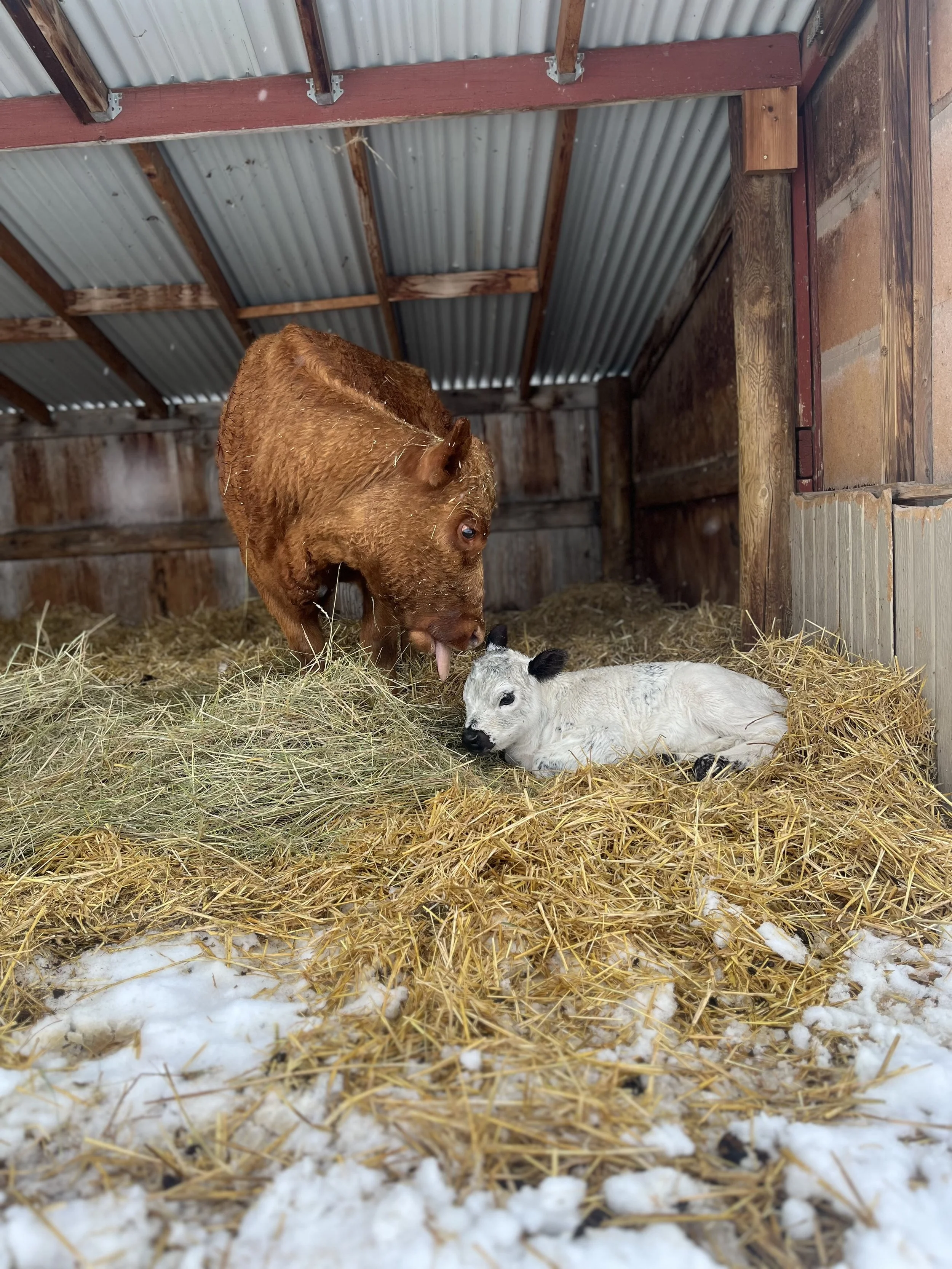
The green newness of spring thrills me. The first calf of the year was born last week, and my garden starts are happily growing inside. Growth is coming.
But to get here, there needed to be preparation. Before the days were warmer, I spent many hours pruning trees. It was my first real attempt at doing so, and I got more than a little excited yanking away dead cottonwood limbs and carefully snipping overreaching bush branches.
Thanks for reading Thrive in 'Stead! Subscribe for free to receive new posts and support my work.
My sister and I cleared the brush out of a pasture that has sat unused for years. In preparation for our move to the family property, we got the space back in good shape.
The pasture runs alongside a creek, and old cottonwoods hover over lush grass. The grass was brown then, only a few eager tendrils peeking out as we hacked away back in February. We made giant stacks of wood—some destined to be firewood and some to be mulch—and made room for the new growth.
It hardly looks to be the same pasture now. New grass, happily fed by rich, moist soil, has sprung up to be at least six inches in height. The cows and mini horses are gonna go nuts for the their new home.
When we started, the poor pasture had a heavy neglected feel. Rightfully so. Broken limbs sagged. Fallen debris covered old roots. But now, the trees almost seem to be younger, coming to life as they have been freed from their heavy burdens.
I did a little homework before pruning, wanting to have the right technique and not to do too much. But I still winced a bit when I sawed away the first limb. I’m a perfectionist by nature, and I didn’t want to do anything wrong.
Thankfully, I heard on a podcast that plants can be far more forgiving than they’re given credit for. Sure, there are plenty of delicate flowers we get from nurseries, or vegetable plants that can’t bear a stiff breeze, but these cottonwoods are old. They’ve seen a lot. Endured a lot. It’s possible that some of them are near the end of their centegenarian lifespan.
I continued with a new mindset, not that any little mistake could kill the stately trees. I took on a more Ent-ish approach. I was their guardian, and I would do what I could to bring back their vitality.
So the old limbs were hauled away, and when I stepped back to enjoy the work, it felt like the pasture could breathe again. It was hardly recognizable. And it now awaits the arrival of hungry little critters who will enjoy their new home.
While the colder weather cooperated, I continued my pruning with other areas of the property. Lilac bushes were tamed. Raspberry bushes got a much needed hair cut. And with the old cut away, the new growth could begin.
Unfortunately, with that new growth comes unwanted plant life as well. So many weeds, thrilled at the prospect of bare soil, popped up almost overnight.
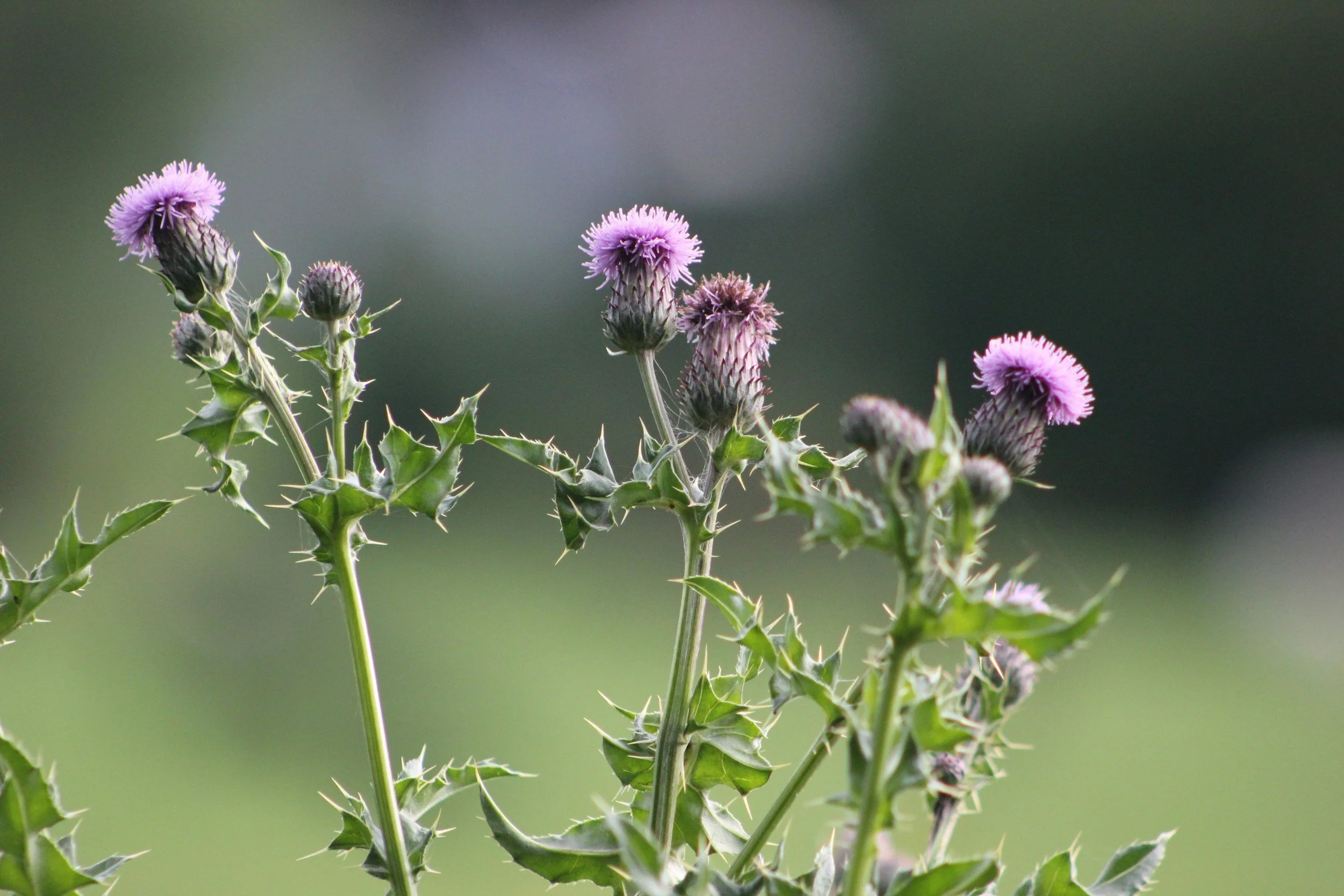
Thus began the next task. Get rid of the pesky weeds but leave those often looked at as unwanted.
I’m a sucker for dandelions, so many of those got to stay. The big fat bumble bees were roused by this point, and who am I to rob them of their food?
The plantain got to stay, too. It’s a wonderful resource to have at hand, so I wanted to make sure it had space to grow.
I hacked a bunch of mullein and got a firsthand experience in the plant’s use as an expectorant. I coughed up so much mucous from whacking those stalks down! (And while mullein is useful, it grows everywhere around here, and I saw no reason to give it claim to my future garden beds.)
With the weeds evicted, I wanted to set up a barrier in their place. For the future garden beds, I’m trying a deep cover of old straw. I’ll pull that back when it’s time to plant the fruits and veggies. I’m hoping it works, but as it’s my first attempt with this method, I’m prepared for revision if necessary.
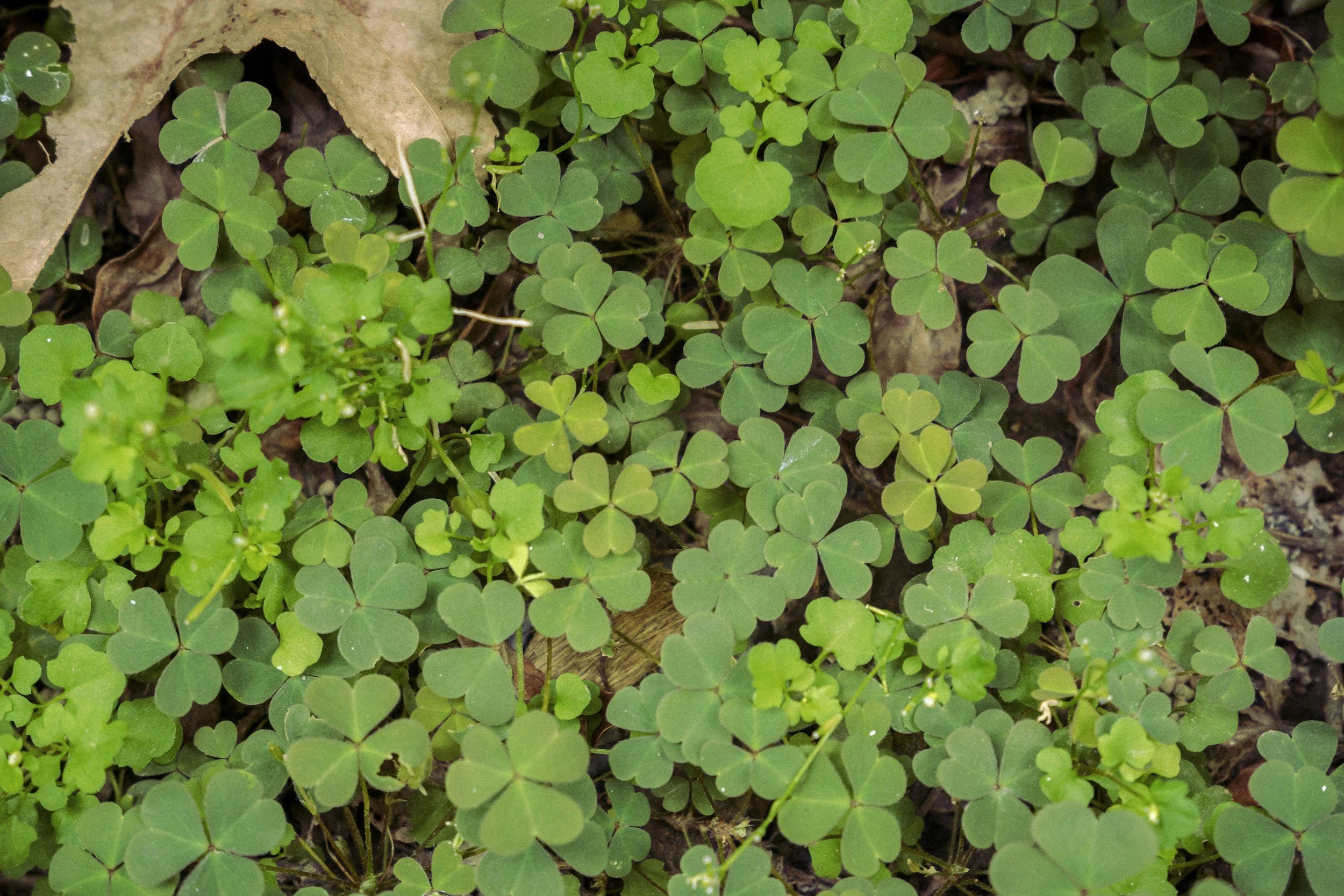
I also picked up a bunch of clover seeds from True Leaf Market to cover bare ground. Thankfully, water from recent rain and snow has kept the soil moist. Now I’m just watching for germination (and hoping the rabbits and deer leave it alone). I wanted to start using clover as a cover crop, as it’s a nitrogen fixer and also great at holding together loose soil. (And hopefully it’ll turn out something like the photo below.)
When I’m not out tending the earth, I’m working on tending words as well. I’ve started building a side-gig as a freelance editor, which I hope to do more from home in the future. I’ve gotten my first pro-bono projects, and they’re giving me much needed confidence in my new field. (And if you’re a storyteller interested in editing or know someone who is, check out my services here!)
As I go, I’m learning about the editing process and the craft of storytelling in general. The resources I’ve gathered along the way have become such a blessing, from new commuities to The Chicago Manual of Style. Who knew I’d be so excited to read extensive paragraphs about commas?

Long have I neglected this part of my life, my calling.
No more.
I’ve felt a great burden to return to storytelling. Life has changed a lot in the last few months. I left a near-ten-year career back in December, wondering what was next.
The past few months have provided a lot of time for rest and renewal, along with clarification. I’ve been able to reprioritize elements of my life and focus on following my calling.
My Creator calls me to create and cultivate. That’s what I’m focusing on in this season, preparing for whatever’s ahead. So that looks like cutting down dead limbs—or unhealthy parts of my life—in preparation for new growth. Weeding out unhealthy plants and habits that try to jump in place of the new growth. Honing my writing skills in preparation for future publication, and helping others work on their storytelling craft.
And enjoying the growth along the way.
2 Corinthians 5:17